News
Replacing Equipment and Installations: The First Step Toward Real Energy Efficiency
- 27/10/2025
- Energy Efficiency Grants
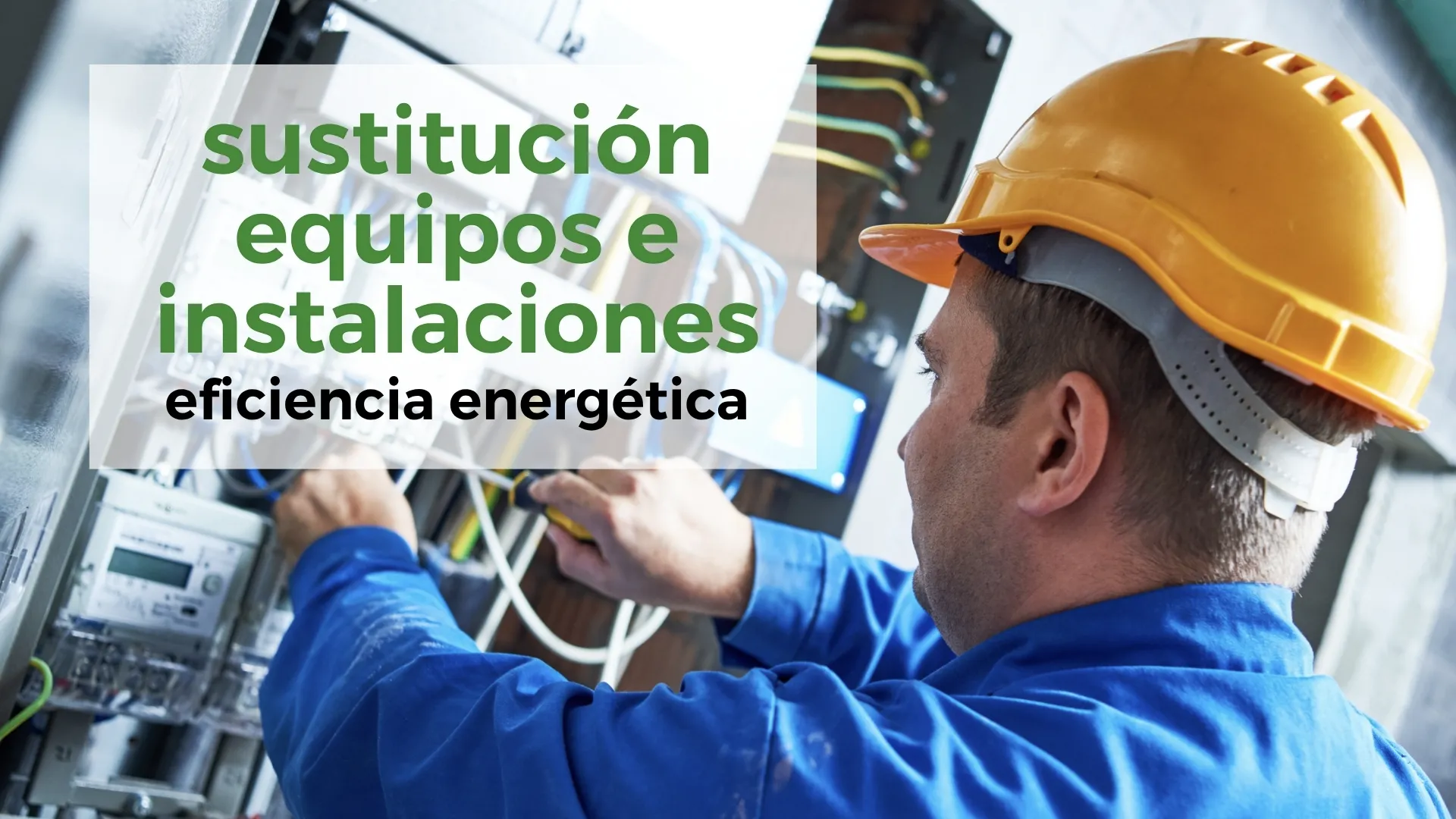
In today’s industrial context, energy efficiency is no longer an aspirational concept — it has become a strategic necessity. Large companies, particularly those with energy-intensive processes — such as the agri-food, industrial, logistics or service sectors — face a clear challenge: reducing their energy expenditure without compromising productivity or quality.
The path to true efficiency doesn’t begin with audits or end with reports. It starts with a concrete decision: replacing outdated equipment and installations with modern, efficient and sustainable systems. That is the foundation on which any real and long-term energy policy must be built.
At AGB Ingeniers, we have spent more than ten years helping our clients through their technological renewal, which we see as the cornerstone of intelligent energy management — one that directly impacts profitability, sustainability and long-term competitiveness.
Energy Efficiency as a Competitive Strategy
Energy efficiency has become a key competitive variable. It not only helps reduce operational costs, but also enhances productivity, process reliability and environmental sustainability.
In large industrial facilities, energy consumption can represent between 20% and 40% of total production costs. This means that any improvement, no matter how small, has a direct impact on profit margins and a company’s investment capacity.
Replacing obsolete equipment with next-generation systems is not merely about saving money — it is a strategic decision that defines the company’s ability to adapt to new production models and evolving regulatory requirements in energy and emissions.
Energy Obsolescence: The Silent Enemy
Many companies still operate with oversized, inefficient or simply outdated equipment, designed under technological and regulatory frameworks that are now obsolete.
This obsolescence comes at a hidden cost:
-
Higher energy consumption, as more power is required to achieve the same performance.
-
More breakdowns and maintenance, leading to unplanned downtime and lower operational reliability.
-
Difficulty integrating with modern control and monitoring systems, which limits plant digitalisation.
-
Reduced thermal or lighting comfort, indirectly affecting productivity and workplace safety.
In other words, keeping old equipment doesn’t just hinder efficiency — it hinders growth.
Replacement Is Not an Expense — It’s an Investment
Replacing equipment and installations is often perceived as a cost, when in reality it is an investment with a guaranteed return. Modern systems for air conditioning, LED lighting, electric motors, air compressors or high-efficiency boilers not only consume less energy but also extend the lifespan of installations and reduce maintenance incidents.
For instance:
-
Replacing a 15-year-old air compressor with a variable speed model can reduce electricity consumption by up to 35%.
-
Installing IE4 or IE5 high-efficiency motors can improve energy performance by more than 10% compared with older IE2 models.
-
Upgrading to LED lighting systems can cut energy costs by up to 70%, while improving visual quality and safety.
-
Renewing industrial HVAC systems can deliver 40–60% savings, depending on insulation and automation levels.
Each case requires a detailed technical analysis, but the message is always the same: replacing equipment is a profitable action, not a sunk cost.
Industrial Modernisation: The Key to Sustainability
Sustainability today is not measured solely by emissions but by the overall efficiency of production processes. Companies investing in modernisation not only reduce energy use but also improve their carbon footprint, brand image and compliance with ESG (Environmental, Social & Governance) goals.
An efficient system not only consumes less energy; it also:
-
Generates less waste and indirect emissions.
-
Improves traceability and energy consumption monitoring.
-
Enables higher automation and remote control.
-
Integrates seamlessly into Energy Management Systems (EMS), facilitating continuous improvement.
Ultimately, modernisation is the path towards a cleaner, smarter and more sustainable industry, and at AGB Ingeniers, we are ready to guide you along that path.
The Role of Control and Automation
Replacing equipment doesn’t simply mean “buying new”. The real leap in energy efficiency comes when modernisation is combined with automation and control systems that enable smart energy management.
Integrating sensors, variable frequency drives, programmable logic controllers (PLCs), SCADA systems or energy monitoring platforms allows companies to:
-
Detect consumption deviations in real time.
-
Adjust equipment operation according to actual demand.
-
Reduce off-peak energy use and avoid unnecessary peaks.
-
Analyse usage patterns to implement continuous improvements.
This combination of technological renewal and digital energy management ensures that initial savings are sustained over time.
How to Approach an Effective Replacement Plan
At AGB Ingeniers, we recommend approaching equipment replacement projects through a structured, technical methodology that guarantees measurable and verifiable results.
Key steps include:
-
Initial Energy Audit
Identify critical consumption points, detect inefficiencies and establish priorities for action. -
Technical and Economic Evaluation
Assess available technological solutions and calculate the return on investment (ROI) for each one. -
Replacement Plan Design
Define project phases, schedules, budgets and suppliers. -
Funding and Grant Application
Manage IVACE grants or other funding programmes to reduce the project’s financial burden. -
Implementation and Results Verification
Oversee installation, certification and validation to ensure promised outcomes are achieved. -
Monitoring and Continuous Improvement
Implement monitoring tools to measure actual savings and optimise energy performance over time.
This approach not only reduces risk but ensures that every euro invested translates into measurable savings and sustainability.
The Time to Act Is Now
Delaying modernisation usually proves costly. Every year that an inefficient installation remains in operation, competitiveness, profitability and innovation capacity are lost.
In a context of fluctuating energy prices and increasingly demanding regulations, investing in technological renewal is no longer optional — it’s a business necessity.
Moreover, the IVACE 2025 Energy Efficiency Grants offer a unique opportunity to undertake these investments with direct financial support.
IVACE 2025 Energy Efficiency Grants: Boost Your Investment with Public Support
The Valencian Institute of Business Competitiveness (IVACE) has launched its 2025 Energy Efficiency Grants, aimed at small, medium and large companies in the Valencian Community that wish to reduce consumption, modernise installations and enhance their competitiveness.
These grants help finance equipment replacement, thermal insulation upgrades, HVAC improvements and the integration of control and energy monitoring systems.
Non-repayable grants:
-
Up to 55% for small companies.
-
Up to 45% for medium-sized companies.
-
Up to 35% for large companies.
Application deadline: Open until 30 December 2025, subject to budget availability.
At AGB Ingeniers, we support you through the entire process — from the energy audit and savings calculation to technical documentation, online submission and administrative follow-up. With a 100% success rate in managing grant applications, we ensure a smooth and efficient process.
Contact AGB Ingeniers to analyse your project and apply for the grant before the deadline.
Turn your equipment replacement into a sustainable, profitable investment — backed by public funding.